
Mnajdra Prehistoric Temples
Hard limestone was used in the construction of these temples, which date back to between 3600 and 2500 B.C. and are believed to be among the earliest free-standing constructions still standing in the world.

Address
Mnajdra Prehistoric Temples
GPS
35.8265898, 14.4365263

Mnajdra Prehistoric Temples
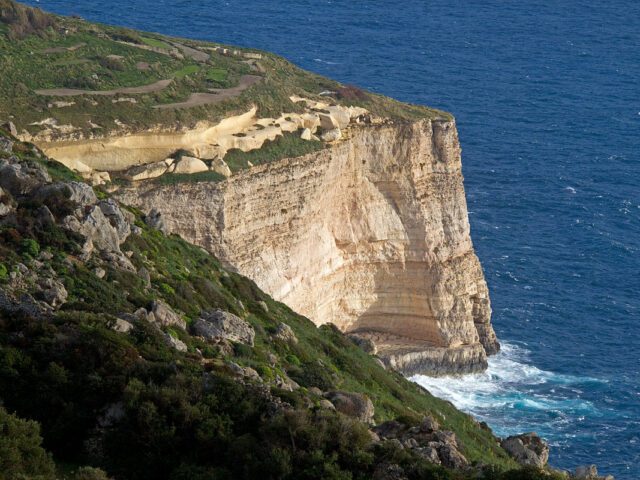
The Mnajdra Prehistoric Temples are located on the southern coast of Malta, close to where the central Mediterranean meets the turquoise seas of the Mediterranean Sea.
Hard limestone was used in the construction of these temples, which date back to between 3600 and 2500 B.C. and are believed to be among the earliest free-standing constructions still standing in the world.
The ruins of Mnajdra Prehistoric Temples are organised into three separate sanctuaries, each of which is made up of many buildings that are connected to one another and constructed in the form of a figure eight. One of the three temple complexes faces east and serves as a solar observatory: during the vernal and autumnal equinoxes, the sun beams through the sequence of nested chambers to illuminate the altar. This occurs when the temple is in its proper orientation.
Archaeological evidence suggests that the Neolithic people who lived on the island were skilled sailors, despite the fact that very little is known about the island’s Neolithic occupants. The significance of the Mnajdra temples was brought to more people’s attention as a result of archaeological investigations that took place in the 19th and 20th centuries.
In more recent decades, a surge in tourism has called to light the necessity to regulate access to the site and offer tourists with a greater knowledge of the fragility of the temples. This may be accomplished by providing visitors with more information about the site.
Location
Opening Hours
Related Listings


Recommended Activities & Tours
