
Mdina
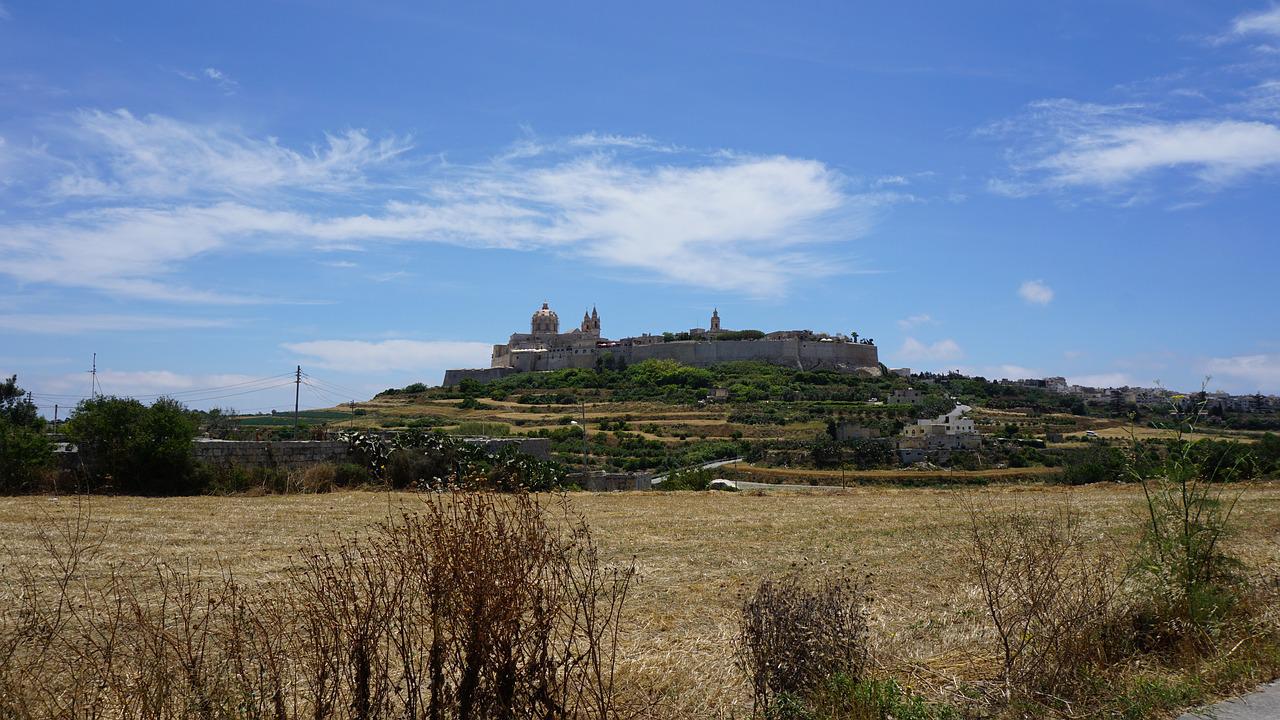
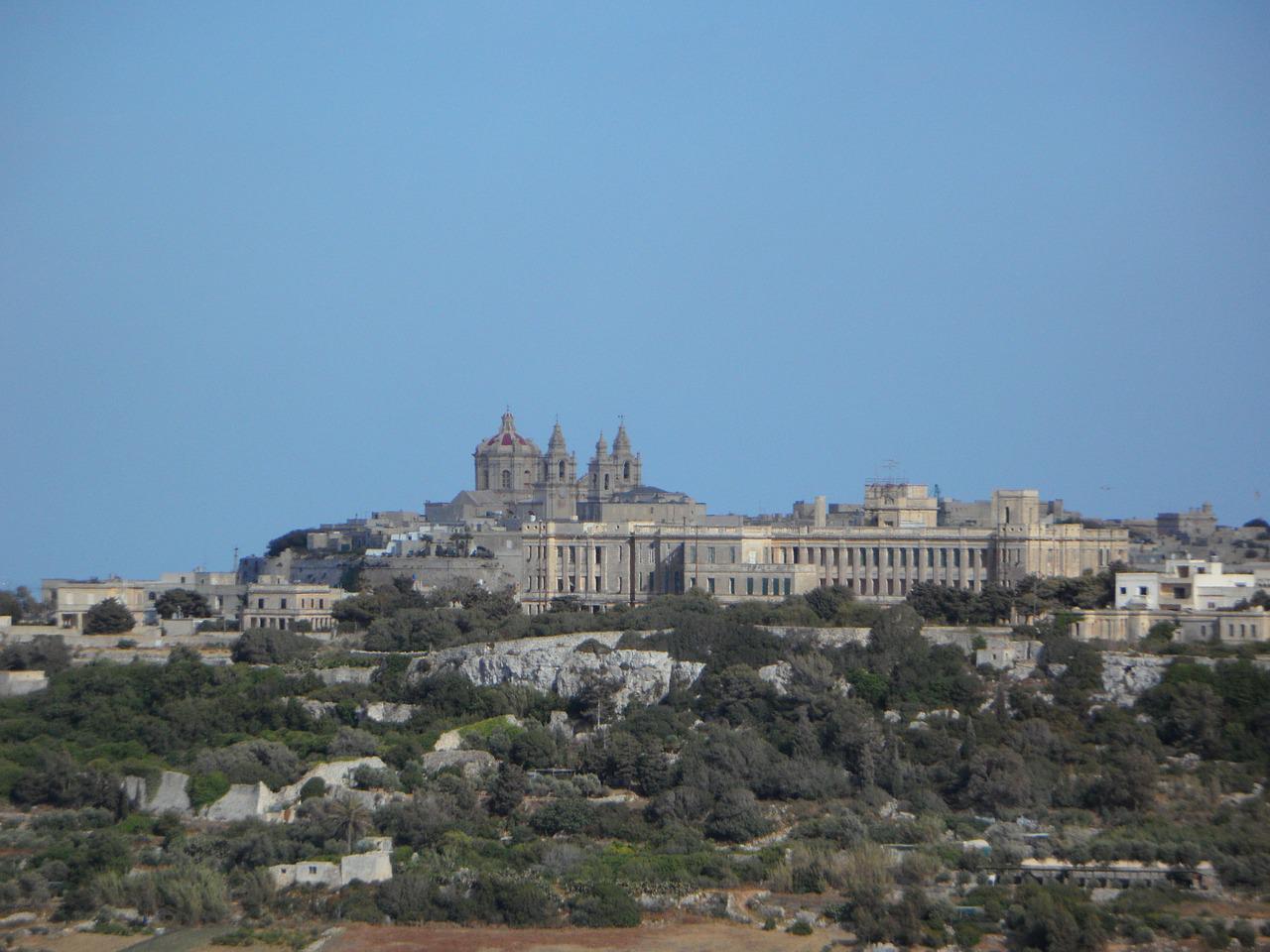
The stunning stoned Arabic walled city of Mdina Malta crowns the hilltop, and is a world apart from modern day Malta. Its hidden lanes offer exquisite architecture and respite from the day-tripping crowds of other tourist attractions.

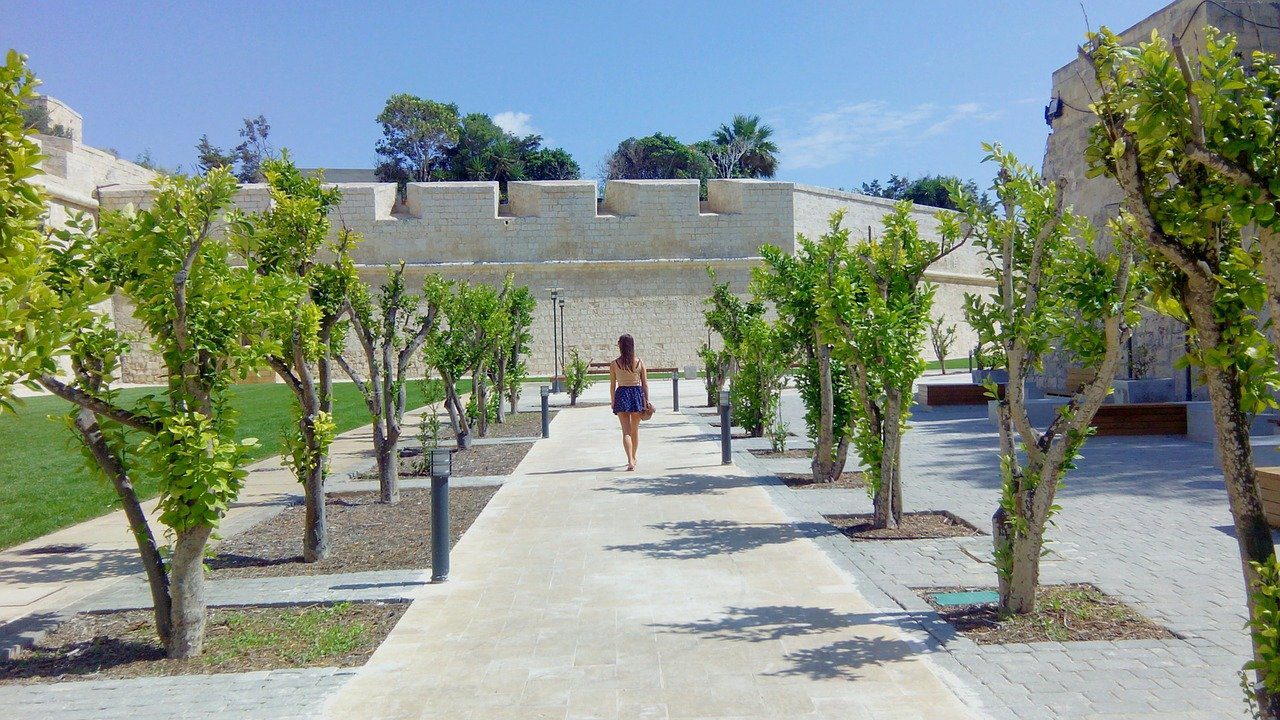
Mdina Malta
The stunning stoned Arabic walled city of Mdina Malta crowns the hilltop, and is a world apart from modern day Malta. Its hidden lanes offer exquisite architecture and respite from the day-tripping crowds of other tourist attractions.
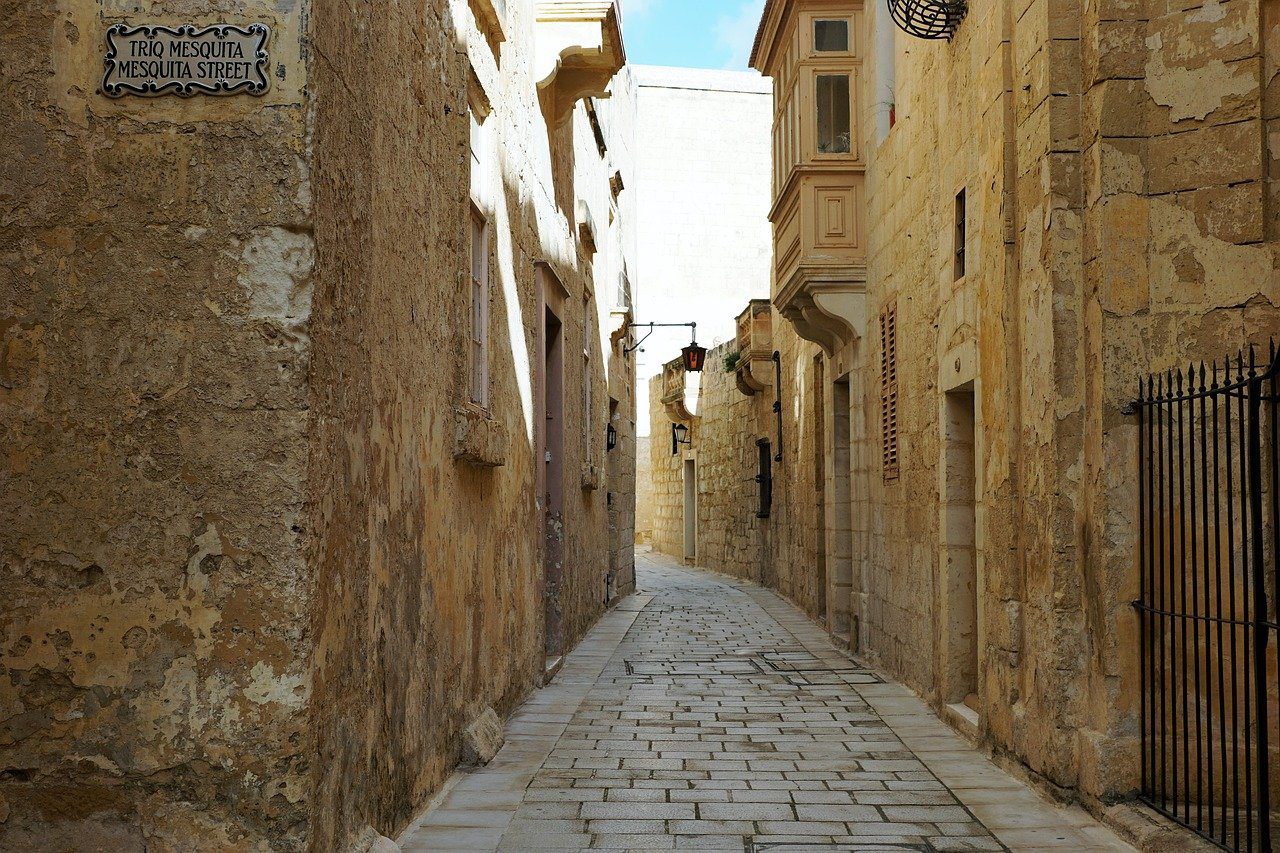
Mdina Malta offers an escape to an enchanting fairy-tale city. This captivating medieval hilltop town is steeped in history. Mdina is one of Malta’s major tourist attractions, hosting about 750,000 tourists a year. No cars (other than a limited number of residents, emergency vehicles, wedding cars and horses) are allowed in Mdina Malta, partly why it has earned the nickname ‘the Silent City’. The city displays an unusual mix of Norman and Baroque architecture, including several palaces, most of which serve as private homes.
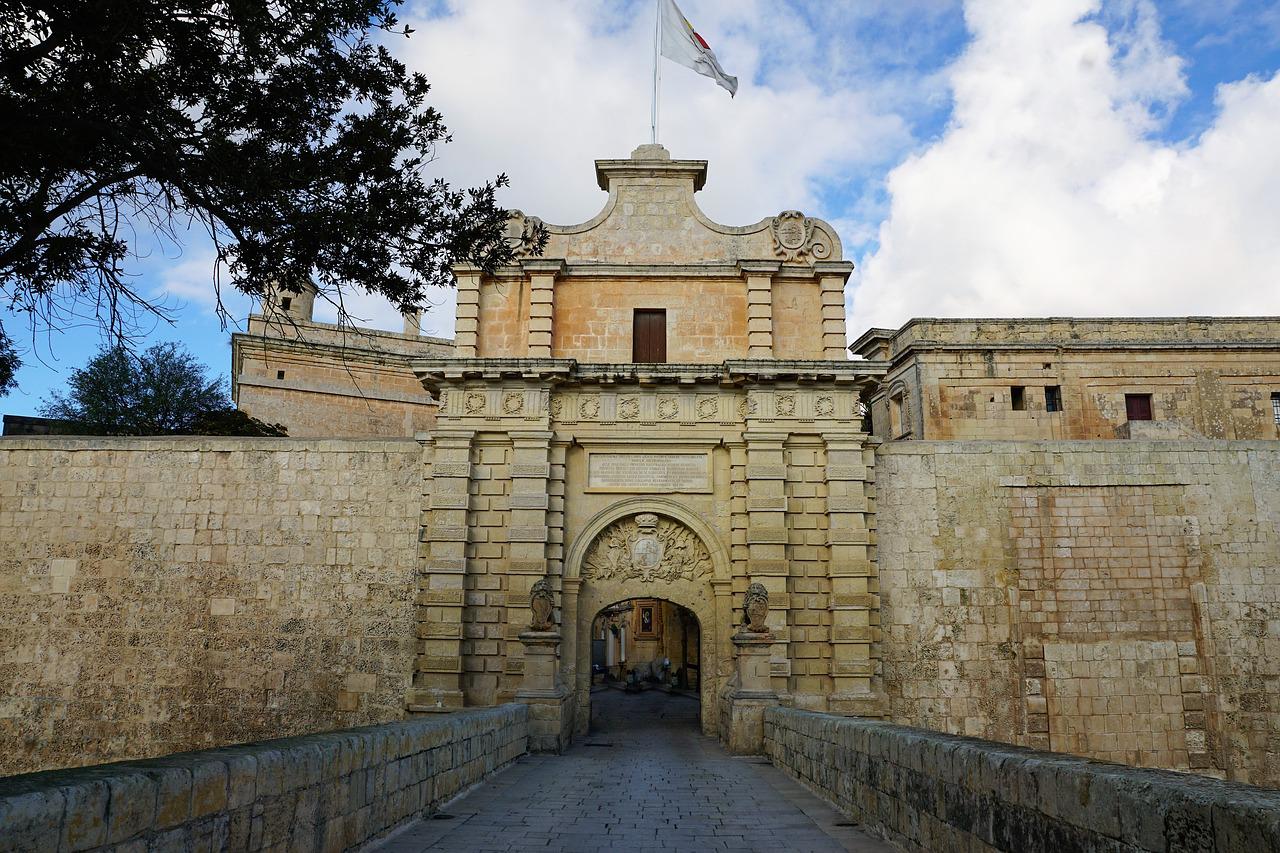
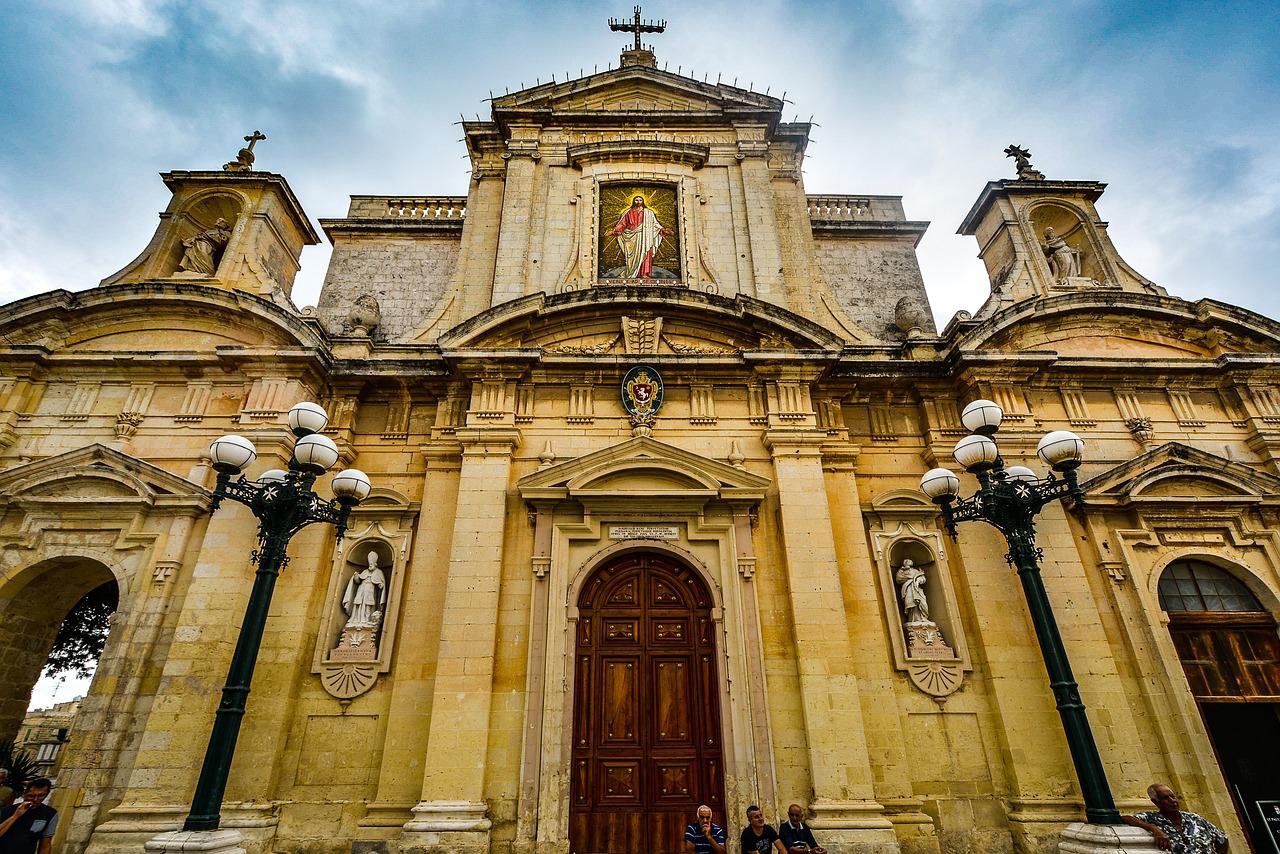
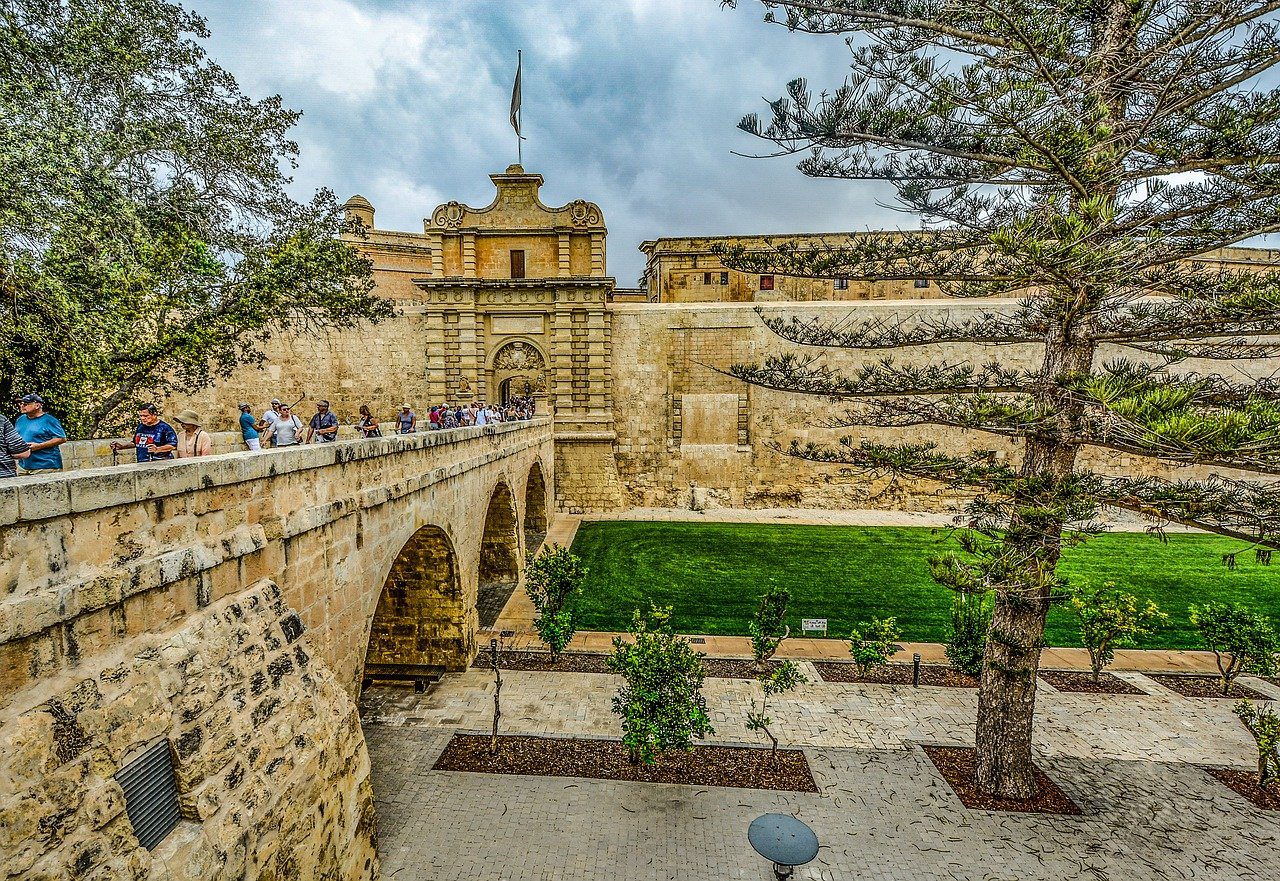
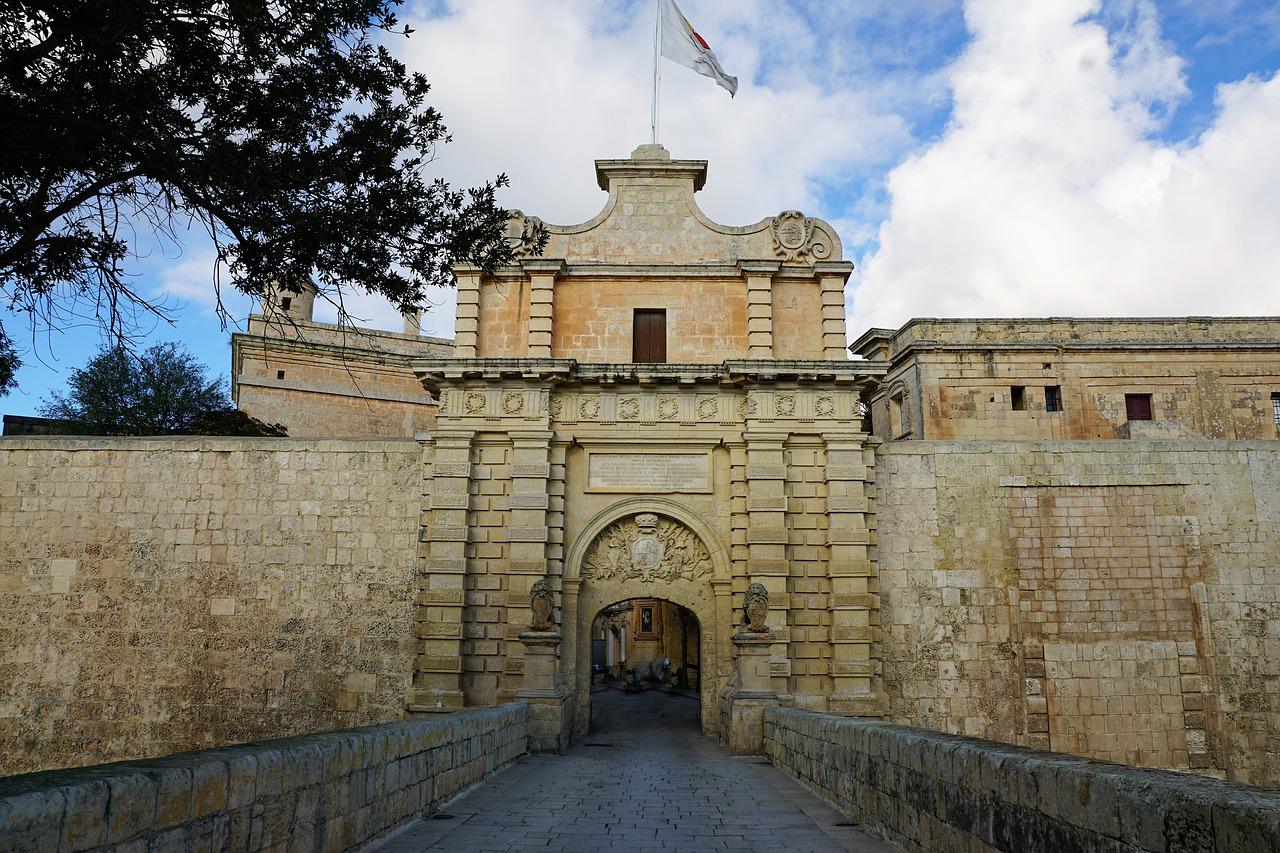
Tourists must pass through the dramatic main gate to enter the city, giving the impression of walking back in time. Within the city’s immense, ancient ramparts is a delightful world of car-free pedestrian streets and beautiful old sandstone buildings. The most important site is the Cathedral of Saint Paul, a glorious Baroque building designed by the Maltese architect Lorenzo Gafa. The lavishly decorated sanctuary features a magnificent dome, marble columns, gilded details, and gorgeous ceiling paintings. The cathedral possesses a precious 12th-century icon of the Madonna and renowned works of art by celebrated Maltese painter Mattia Preti.
To get a sense of Mdina’s former glory, tourists should visit the grandiose historic palaces. The Palazzo Santa Sofia (Villegaignon Street near Bastion Square) is Mdina’s best preserved medieval building. The Palazzo Vilhena (Saint Publius Square) is a gorgeous monument that houses Malta’s superb Natural History Museum with an outstanding collection of geological exhibits as well as fossil, insect, and animal displays. A must-see sight, the Palazzo Falson (Villegaignon Street) is a 13th-century palace that belonged to a Maltese noble family. Now a museum, the Palazzo Falson is exquisitely decorated in the original style and has an excellent art and antiquities collection.
Location
Opening Hours
Related Listings


Recommended Activities & Tours
